
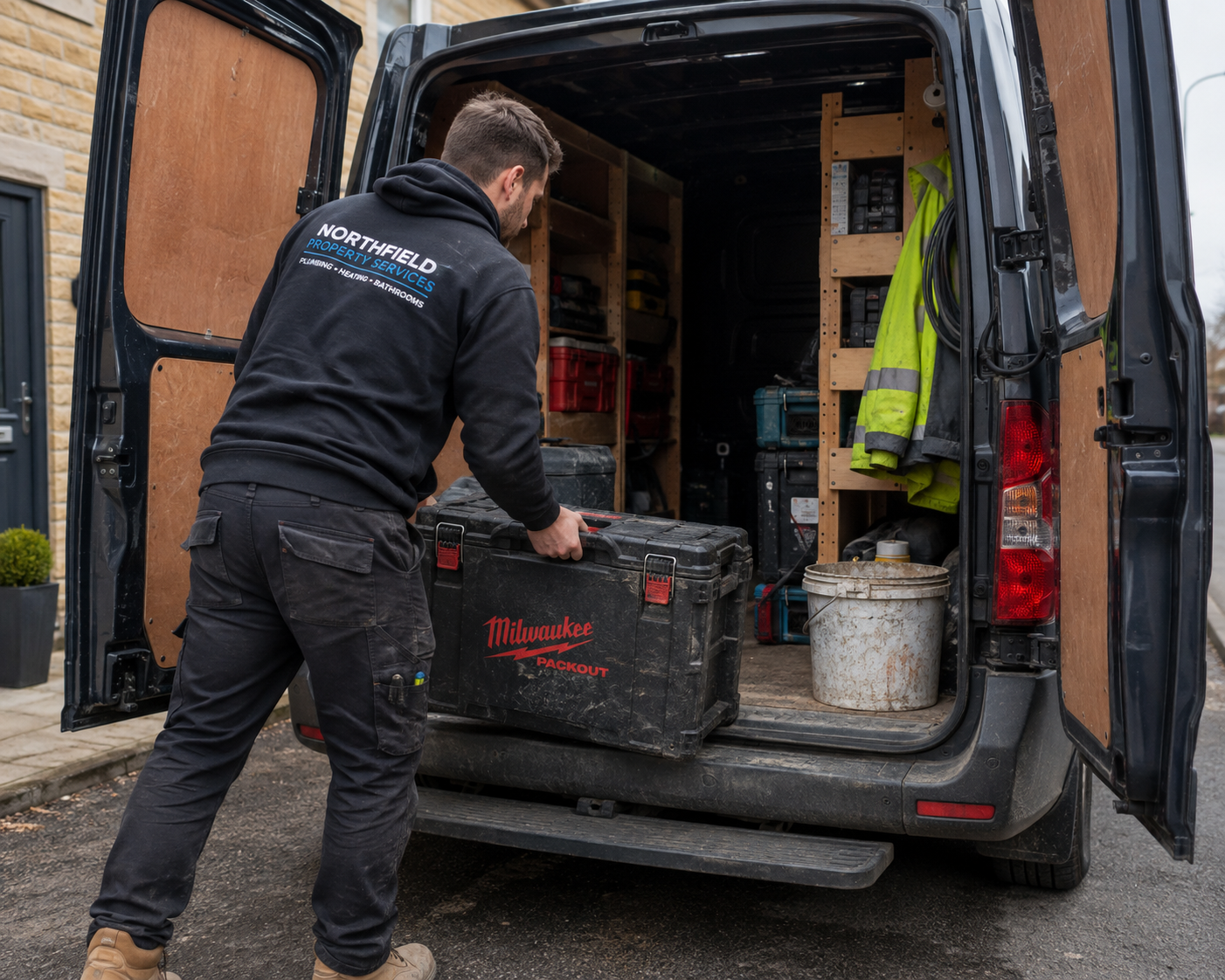
You might think your van can carry heavy loads because it’s a van, not a domestic car. While this might be true (always check your van’s individual weight capacity before driving), there are some things you need to do to prepare your van for additional weight. Here’s what you should do to prepare your van for heavy loads:
Have regular van services carried out
Having your van serviced regularly will ensure that your van is in top condition. Not only does it maintain fluid levels and certain moving parts and components, but it also confirms that the van is able to safely withstand heavy loads placed on it. In addition, vans that are used for heavy-duty work require more frequent inspections and servicing. Therefore, during a van service, particular attention will be paid to:
- Suspension components
- Wheel alignment
- Brake condition
- Tyres
- Clutch wear
- Engine servicing intervals
As well as making sure that your van is still able to withstand heavy loads, van servicing also helps to point out issues before they become huge and expensive. As such, small and minor repairs can be made, rather than large, costly problems that can cost your vehicle downtime.
Know the load capacity of your individual van
Your van will only be able to safely carry heavy loads if it’s filled to the correct capacity. If you exceed the weight limit on your van, then it can do serious damage to suspension, wheel alignment and even the engine. Before filling your van with significant loads, you should always check the weight limit of your individual van. This can often be found in the owner’s manual or handbook.
Check your tyres
Tyre condition might not seem like a huge problem. But it can pose a threat to the safety of yourself and others. This is especially the case if they aren’t in top condition or pumped to the right pressure. To find the tyre pressure you need for a fully laden van, look in the owner’s manual. Alternatively, it may be listed on the inside of one of the doors leading to the cabin.
It will tell you the pressure you need for a van that’s filled up to its weight capacity. In addition to tyre pressure, you also need to make sure that the tyres are in good condition. This means making sure that there aren’t any cracks, splits, cuts or bulges, and the tyre tread needs to be within the legal limit (no less than 1.6mm). If your tyres are damaged, worn or bald, then you should replace them before driving, even if the van is empty.
Tyre violations can lead to points on your license, considerable fines and even a driving ban under certain conditions. If you want to maintain your safety and keep your business going, then checking your van tyres, whether it’s a heavy journey or not, will do more good than you might have otherwise thought.
Inspect the suspension
The suspension is a crucial part of any vehicle, whether commercial or domestic, but it does play an important role when it comes to transporting heavy loads. This is why it’s always important to carry weight up to the individual capacity of your van, and make sure that the suspension is in excellent condition before setting off on your journey.
Some suspension issues will likely come up as a result of an annual MOT. However, problems can arise in between assessments. If you think that your van suspension is failing, then bring it to us here at VanServ. We’ll be able to inspect your van suspension for signs of damage and wear, repairing and replacing parts and components where necessary. Here’s how to spot van suspension issues.
Ensure brakes are in good condition
When your van is fully laden and is carrying the maximum amount of weight, then your stopping distance will increase. This additional strain will subsequently put additional wear and tear on your brake pads, discs and callipers. This is why it’s imperative that you undergo a van service regularly.
We will inspect your brakes for damage and wear and, where we see fit, we’ll recommend replacement of pads, discs and callipers to ensure your safety and that of other road users. It also protects your van and the load you’re carrying. Whether you’re using your van to carry heavy loads or not, you should always make sure that your van brakes are in top condition at all times.
Load the van correctly
Weight distribution is everything when it comes to loading up a van, especially if the items, tools or equipment are heavy. This helps to make sure that the van doesn’t topple over when taking corners, braking or accelerating. If the cargo is poorly arranged or distributed, then it can affect things like steering and stopping distance. This will generally make the vehicle less stable as a result. To avoid this and to ensure safe and smooth driving when the van is fully laden with a heavy load, the best practice is to:
- Position the heaviest items on the floor of the van
- Place heavy cargo as close to the bulkhead behind the front seats as possible
- Spread the weight evenly across the width of the vehicle
- Avoid concentrating excessive weight over the rear axle
- Keep lighter items on top of the heavier ones
Secure the load properly
Even the most well-balanced cargo will become dangerous if it’s not secured properly. Loose cargo has the potential to shift during acceleration, braking, taking corners and more. This only increases the risk of vehicle instability, causing damage to both the load and the van that you so heavily rely on.
If your van is fitted with a bulkhead, then it provides additional protection by way of preventing cargo from entering the passenger’s cabin, especially during sudden stops and starts. Finally, you should use appropriate load restraint equipment to keep everything stable and secure. Some of the load restraint equipment you should look to use include:
- Rachet straps
- Cargo nets
- Load bars
- Anchor points
- Internal load restraint systems
Organise tools & equipment accordingly
If you regularly carry tools, equipment and machinery, then installing shelving or some sort of rack system in the back of your van is a great way of ensuring better organisation, getting quick access to equipment, reducing movement during transit, improving weight distribution and increasing usable storage space. Purpose-built storage systems are also a great way of preventing tools from becoming damaged, which can create driving hazards while on the road.
Look at fluid levels
Fluid levels might not seem a huge issue if the van is fully laden with a heavy load, but it matters more than you might have otherwise thought. Why? Because transporting heavy loads increases engine workload, keeping fluids at the correct, safe and advised levels will help to keep your vehicle operating efficiently, especially when under increased demand. Therefore, before you set off on your journey with a van full of heavy tools and equipment, you should check:
- Engine oil
- Coolant levels
- Brake fluid
- Power steering fluid
- Windscreen washer fluid
A convenient, mess-free and disruptive way of ensuring all fluids are topped up and replaced is to have a full van service at regular intervals. Our team of technicians here at VanServ will pay close attention to vehicle fluid levels, topping up and replacing as and when necessary, depending on the van service tier you’ve chosen.
Adjust driving style
Driving a loaded van is significantly different from driving a van that’s empty. Smooth driving, particularly when a van is fully laden with heavy loads, will reduce wear on your vehicle, and it also keeps cargo secure and stable. Safe driving techniques that should be practised at all times when driving a van, regardless of how heavy its load is, include:
- Accelerating gradually
- Braking earlier than usual
- Leaving a larger gap to the vehicle in front
- Taking corners more slowly
- Avoiding sudden steering inputs
- Reducing speed in poor weather conditions
VanServ know how important your vehicle is to your livelihood. That’s why we’re pleased to offer a wide range of services, including van servicing, van gearbox repairs and replacements, van clutch repairs and replacements, key cutting and programming, van remapping and more. If you’d like further information about how we can keep your van in top condition, no matter how heavy the load is, get in touch with a member of our friendly, knowledgeable team today – we’re always happy to hear from you.