
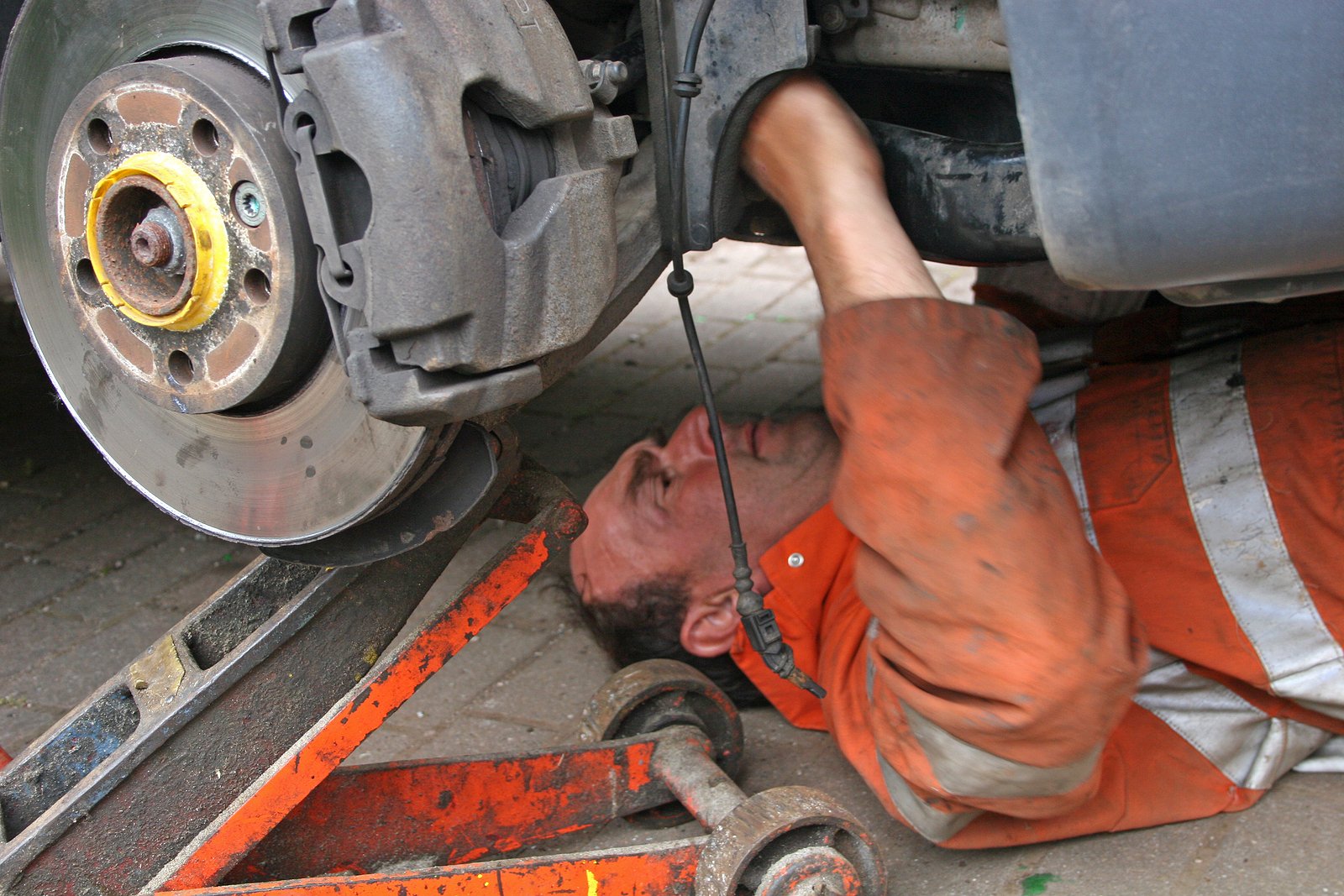
A van’s suspension system plays a critical role in safety, comfort, handling and load-carrying capabilities, which is paramount for those working in the trade or who enjoy long camping holidays during the summer. Whether you use your van for business or leisure purposes, you need to ensure that your van suspension is in top condition. But how do you know if there’s a problem with it? In this article, we’ll be going through some of the warning signs that indicate van suspension problems, and what you can do to get it fixed.
Excessive bouncing after hitting bumps in the road
One of the most obvious signs of worn shock absorbers is excessive bouncing. Some telltale signs of this include the vehicle continuing to bounce several times after driving over a speed bump or pothole, the front of the van or rear of the van feeling unstable and the vehicle rocking excessively from side to side when stopping or accelerating. This happens when shock absorbers wear out. Therefore, they can no longer dampen the motion effectively, causing prolonged bouncing in the process.
Uneven or quick tyre wear
Suspension issues often reveal themselves through abnormal tyre wear. If this is the case, you’ll likely notice bald spots on the tyres themselves. They may also have feathered tread edges, excessive wear on one side and cupping or scalloping patterns on any area. This usually happens because van suspension components prevent tyres from maintaining consistent contact with the road. This results in irregular tyre wear. Not only does ignoring this problem shorten the life of the tyre, but it also reduces traction and basic braking performance.
The van pulls to one side
If your van drifts left or right while driving on a straight road, then it could signal van suspension issues. Other symptoms of this can include constant steering correction being needed, the vehicle wandering on the roads and an uneven steering feel.
There are many causes for this, including worn control arm bushings, damaged springs, faulty ball joints and misalignment caused by suspension wear. While wheel alignment can cause similar symptoms, worn suspension components are often the underlying reason.
The nose dives when braking
When braking, if the front of the van dips or dives as opposed to being stable and strong, then it could signal issues with van suspension. Normally, the main culprit is worn front shock absorbers or struts that can no longer control the weight transfer effectively. The safety impact, however, cannot be ignored. It can negatively impact stopping distances and reduce steering control during emergency braking.
The rear of the van is sagging
A healthy suspension should keep the van level when unloaded and reasonably balanced when carrying cargo. This is to ensure safety on the road and protection of goods. It might be difficult for you to know, when driving the van, whether the back of the van is sagging. So, how can you tell? Well, firstly, when the van is parked up, it will noticeably sit lower than normal, whether loaded or unloaded.
You may also notice that one side of the van sits lower than the other side, and ground clearance may well be reduced. There are many reasons why this may occur. The causes include broken leaf springs, worn coil springs, failed air suspension components, and damaged suspension mounts. But don’t worry if this is the case, because our team of qualified technicians here at VanServ will be able to help by way of van suspension repair services.
You can hear clunking, knocking or rattling noises
Unusual noises from underneath the van will indicate suspension wear in most cases. Some of the common sounds you’ll hear, if this is the case, would be clunking over bumps, knocking during turns, rattling on rough roads and squeaking from suspension movement. But what could be causing those noises?
Normally, it could be as a result of worn bushings, loose suspension bolts, failed sway bar links, damaged ball joints and broken springs. You may also find that those sounds worsen over time. If you aren’t sure what’s causing it, bring your van into VanServ for a van suspension inspection, where we’ll be able to pinpoint the problem.
You have difficulty steering the van
Suspension and steering systems will work closely together, whether it is a car or a van. So, if you find that steering the van is becoming increasingly more difficult, then it could signal an issue with your van’s suspension. Some symptoms of this include: loose steering feed, delayed steering response, excessive steering wheel movement and instability at higher speeds. But what’s causing this problem? Well, it could be worn ball joints, damaged control arms or failing suspension bushings. Poor steering response should never be ignored because it directly affects vehicle control.
The van leans excessively when going around corners
A properly functioning van suspension system will keep the body roll under control. When this begins to fail, there will be some obvious warning signs. Those signs are: excessive leaning around corners, unstable feeling during lane changes and increased body roll compared to normal.
There are some common reasons as to why your van suspension is behaving this way. Some of the causes are worn shock absorbers, failed anti-roll bar links and damaged sway bar bushings. It’s important to note that excessive body roll can increase rollover risk.
This is especially the case in high-roof vans that are required to carry heavy loads regularly. If this is the case, then make sure you have the suspension inspected and repaired as soon as possible by our highly-trained van technicians here at VanServ.
You spot some visible damage underneath the van
A visual inspection can often reveal suspension problems. With this in mind, you should check your van for potential suspension issues by looking for certain things. This includes looking for leaking shock absorbers, cracked rubber bushings, broken springs, rusted or damaged mounting points and bent suspension components. With leaking shock absorbers, you may notice some oily residue on the shock absorber body. If you do, it indicates that the internal seals may have failed, therefore reducing damping performance overall.
There are some increased vibrations when the van is in motion
If you’re experiencing increased vibrations when driving the van, then it’s likely you have van suspension issues. Common symptoms of a van with suspension problems, specifically when it comes to vibrations, include: the steering wheel vibrating, the floor vibrating, the seat vibrating and some increased harshness over rough surfaces.
There are multiple van suspension-related causes for these vibrations. These include worn shocks, damaged suspension joints and loose suspension hardware. If vibrations are particularly persistent, then they should be investigated by a team of committed professionals as soon as possible. That’s where VanServ is able to help with our van suspension repair services.
VanServ is pleased to provide exceptional van suspension repairs for a wide range of makes and models. If you want to restore full strength and stability to your van’s suspension, then get in touch with our friendly, dedicated team of van technicians here at VanServ today – we’re always pleased to hear from you.