
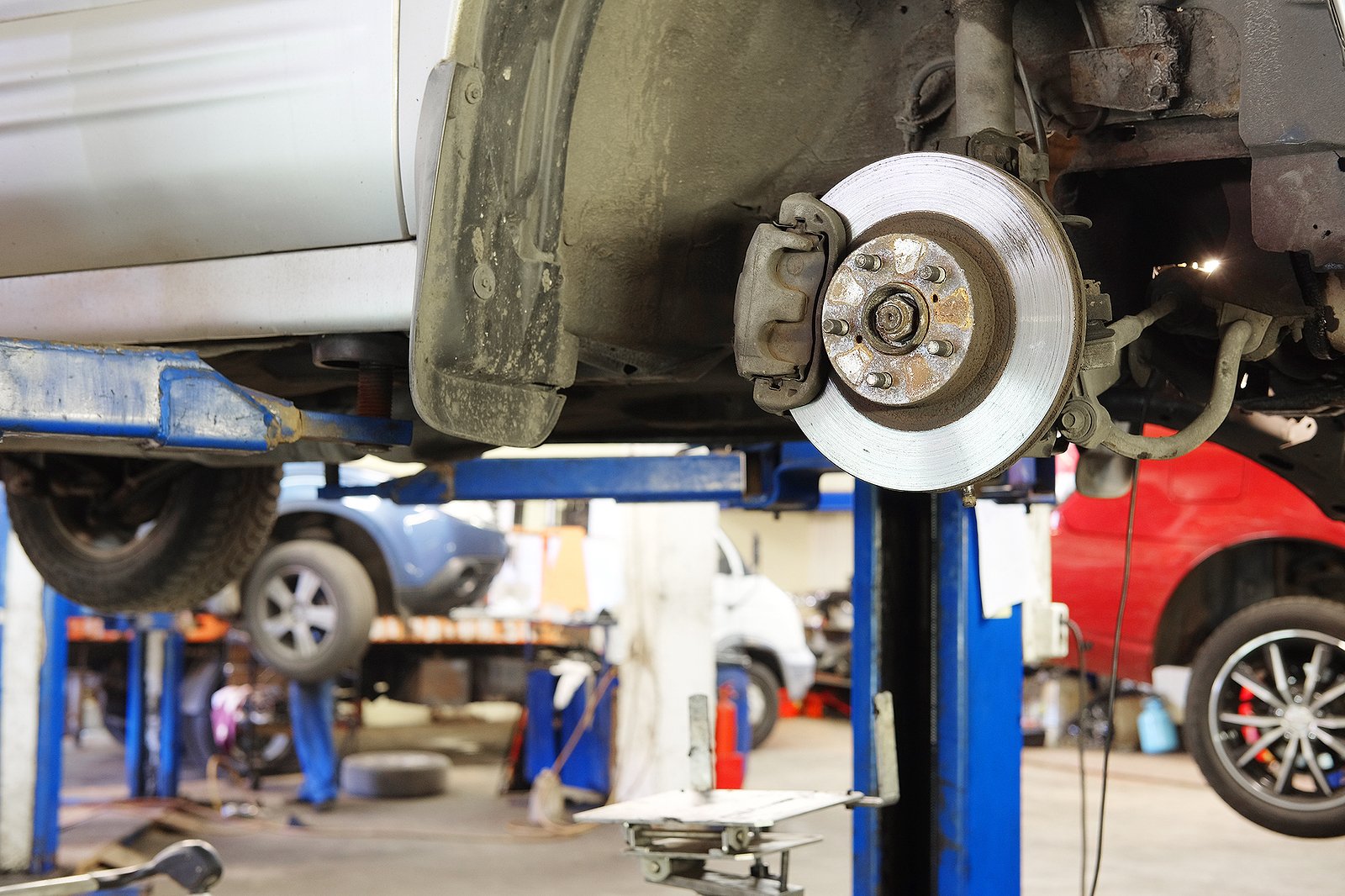
Brake callipers are a critical component of any modern van’s braking system. Often overlooked compared to more familiar parts, like brake pads or rotors, brake callipers apply the pressure to the brake pads. This forces the brake pads against the brake rotor, thereby slowing and eventually stopping the van. Without van brake callipers, disc brakes wouldn’t function.
This is why they’re used on nearly all modern vehicles, including vans. In order to fully understand brake callipers and their role in the braking system, it helps to have a broader understanding of the the system itself. This includes how they work mechanically and why the design matters for the longevity, safety and performance of your van or other vehicle. So, let’s take a closer look at what van brake callipers are and their role.
The role of van brake callipers in a braking system
Most modern vans will use disc brakes on the font wheels and, sometimes, on the rear also. A disc brake system consists of four main elements, typically, including:
- The brake pedal (the driver’s input)
- The hydraulic system (brake fluid transmits force)
- The brake calliper (converts hydraulic pressure into clamping force)
- The brake rotor and pads (create friction to slow the wheel down)
When the van brake pedal is depressed, the hydraulic pressure travels through brake lines that are filled, primarily, with brake fluid. That pressure reaches the brake calliper. This is what pushes the van’s brake pads inward. The pads clamp onto the spinning brake rotor, therefore causing friction. This friction converts kinetic energy (motion) into heat. This is what slows down and stops the vehicle. The brake calliper is the muscle behind the system. This is the component that physically squeezes, essentially.
The basic anatomy of van brake callipers
A brake calliper may look like a solid metal clamp. However, it’s actually precisely engineered and assembled with several specific key parts. Each of those parts must work together smoothly and efficiently in order to function properly. If even one of those components sticks, leaks or wears unevenly, then the van braking performance suffers considerably. Those key parts include:
- Calliper housing – the outer metal body that’s made of cast iron or aluminium, usually
- Pistons – cylindrical components that sit inside the calliper that move when hydraulic pressure is applied
- Brake pads – friction material that’s mounted inside the calliper
- Seals and boots – rubber components that prevent fluid leaks and keep dirt away
- Guide pins or slides – allow the calliper to move slightly for even pad wear (applicable only on certain designs)
How do van brake callipers work?
It can be difficult to explain exactly how van brake callipers work, so let’s break it down into steps:
- Pedal force is amplified by the brake booster
- Brake fluid is pressurised in the master cylinder
- Hydraulic pressure reaches the van brake calliper through the brake lines
- Calliper pistons will extend in order to push the brake pads
- Brake pads clamp the rotor to generate friction
- The vehicle slows or stops as the energy is dissipated as heat
When the brake pedal is released, the hydraulic pressure drops. The piston retracts slightly thats to elastic seals rather than springs. This is what allows the brake pads to move away from the rotor so that the wheel can spin freely again when needed.
What are the different types of van brake callipers available?
Despite common knowledge, van brake callipers come in a wide range of different models and types. They each differ in value, cost, performance and complexity. This is what can make it difficult for amateurs to choose which brake callipers are best for their vehicle. Let’s take a closer look at the different types of van brake callipers out there. But remember, if you aren’t sure, take it to a specialist firm, like us here at VanServ. We’ll be able to inspect and diagnose van brake issues and install the right brake callipers for your vehicle.
Floating (sliding) van brake callipers
Floating callipers are the most common type found on vehicles, especially passenger vehicles. They have one or two pistons on only one side of the rotor, are mounted on guide pins that allow lateral movement and uses caliper movement to apply pressure to both pads in order to slow and stop the vehicle. They’re lightweight, cost-effective and have a simple design. Floating van brake callipers are popular because they provide adequate braking for everyday use while keeping repair and manufacturing costs low.
Fixed van brake callipers
As the name would suggest, these do not slide. They have pistons on both sides of the rotor to keep it in place. They can, however, have multiple pistons (2, 4, 6 or even 8). They’re also rigidly mounted to the suspension, hence the name, and can allow for even pressure distribution. They’re strong and allow for consistent braking. The heat management is better, and the feeling of the brake pedal may improve. Fixed callipers are common in high-performance vehicles where precise braking control is needed.
Opposed-piston van brake callipers
These are a subset of fixed van brake callipers. However, these are designed with pistons that are directly opposing each other. They have extremely even pad pressure, have excellent braking modulation and have superior performance under heavy loads. You’ll often see opposed-piston callipers branded by performance manufacturers in motorsports and luxury performance vehicles. So they’re rarely found in vans.
What are van brake callipers made from?
Van brake callipers must withstand intense heat, pressure and environmental exposure. Common materials used to make van brake callipers include cast iron (durable, inexpensive and heavy), aluminium (lightweight, good heat dissipation and is more expensive) and forged aluminium alloys (used in high-performance applications). Performance callipers often use advanced alloys to reduce unsprung weight, which improves handling and ride quality as a result.
Why do van brake callipers matter?
Despite van brake callipers often sitting quietly behind the wheels, they play a decisive role in how a vehicle slows, stops, handles heat and responds to driver input. From everyday commuting to high-speed racing (not likely when driving a van), the van brake calliper is the component that transforms a simple pedal press into a controlled, predictable stopping power that’s unmatched.
Understanding what brake callipers are and how they work makes it easier to appreciate why proper brake maintenance isn’t just about performance or cost. It’s about safety, confidence and control every single time the brake pedal is depressed. But now you know what van brake callipers are, how they work and why they’re so important for everyday driver safety.
VanServ specialises in servicing and repairing vans, motorhomes and more. We have the experts on hand to replace van brake systems, whether it be their pads, the callipers, the discs and everything in between. If you’d like further information about van brake replacements, get in touch with a member of our friendly, professional team today – we’re always pleased to hear from you.