
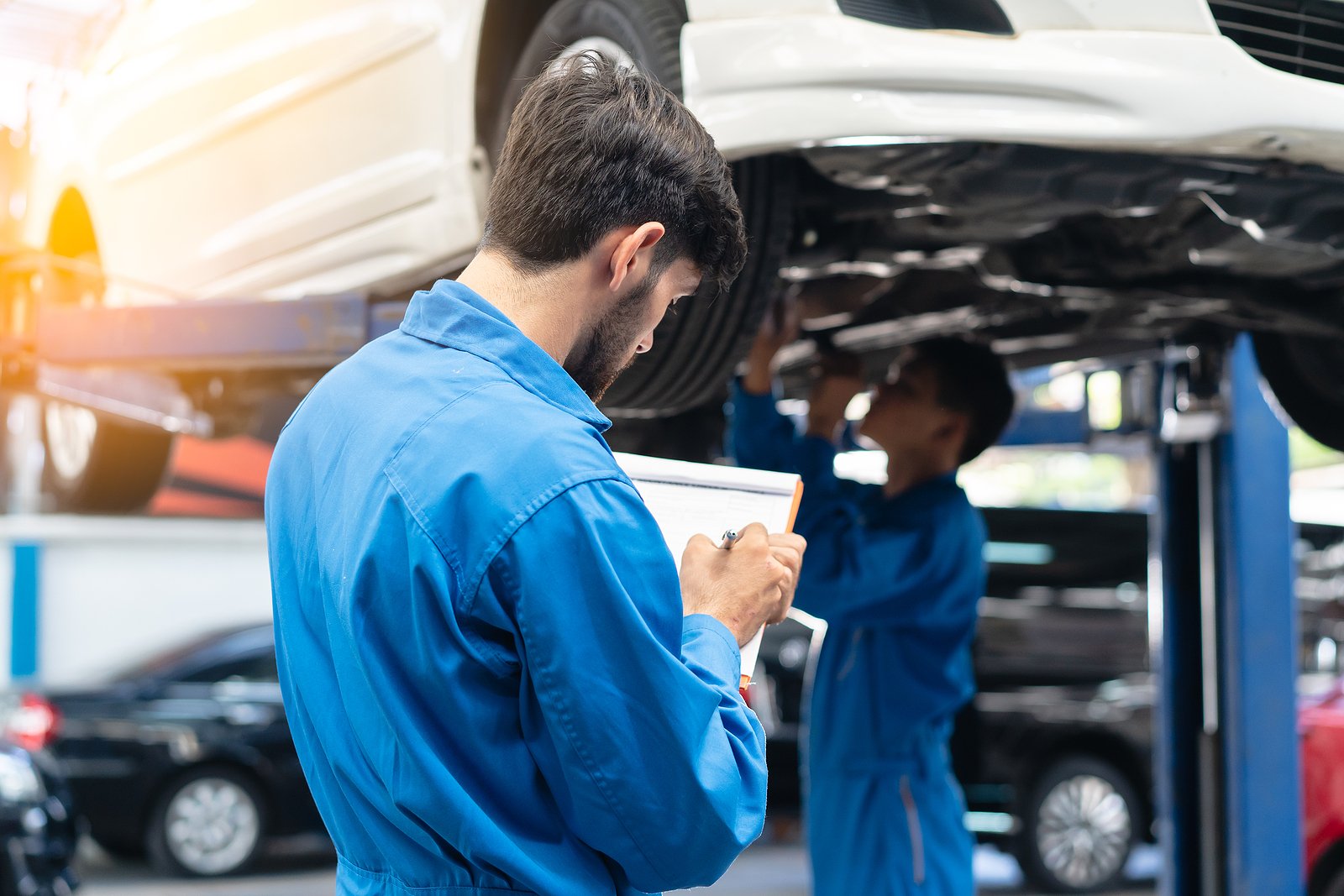
Every year, thousands of vans across the UK fail their MOT test, often for reasons that could have been spotted and fixed prior to the test taking place. In this article, we’ll be explaining some of the most common reasons why a van might fail its MOT, as well as explaining what a van MOT is, why it’s important and what they look for to ensure it’s safe.
What is a van MOT?
A van MOT is an assessment of a van’s or motorhome’s roadworthiness. It ensures the vehicle is safe to drive and that it meets the legal safe driving standard. Not only does this protect the driver and their passengers, but also other road users and pedestrians. A van will need an MOT if it’s over three years old and applies to light vans weighing up to 3,000kg. Heavier vans will be subject to different testing rules, so make sure you do your research to find out about the MOT testing rules for your van’s weight.
Why is a van MOT important?
A van MOT is important because it protects the safety of the driver, their passengers and other road users, as already stated. In addition to this, it’s illegal to drive a van that does NOT have a valid MOT. This could lead to fines, points on your license, invalid insurance and even a prison sentence if the offence is repeatedly carried out.
What’s checked on a van MOT?
Just as with an MOT done on a car, there are multiple checks that are carried out on a van during its MOT. These checks are done not only to ensure the condition of the vehicle is safe, but that it meets environmental standards. During a van MOT, the following elements of the vehicle are subject to inspection:
- Body structure
- Vehicle structure
- Towbars
- Fuel systems
- Vehicle emissions
- Exhaust system
- Seatbelts
- Airbags
- Seats
- Doors
- Mirrors
- Boot or tailgate
- Brakes
- Tyes
- Wheels
- Registration plates
- Lights
- Bonnet
- Wipers
- Windscreen
- Horn
- Steering
- Suspension
- Vehicle identification number
- Electrical wiring
- Battery
8 common causes of van MOT failure (& how to avoid them)
Vans can often fail an MOT due to small maintenance issues that can be easily avoided. But what are the most common reasons why a van may fail its MOT? Let’s take a closer look at what those failing factors are, together with how you can avoid them before the big day. Here are eight common causes of van MOT failure and how to avoid them:
1. Lighting & signalling faults
Faulty lights, including faulty headlights, brake lights or indicators, are a common reason for van MOT failure. Common causes for faulty lights and signals on a van include blown bulbs, brake lights or indicators not working, misaligned headlights or cracked or damaged light lenses. To avoid van MOT failure, regularly check all external lights, including brake lights, indicators, headlights and even the lights that illuminate your registration plate. Replace bulbs as and when they fail before you take your van in for its MOT.
2. Tyres & wheels
Tyres are a major safety component and are closely inspected during a van MOT. They will often fail due to insufficient tyre tread, uneven or excessive tyre wear, cuts, bulges or exposed cords and incorrect tyre sizes or mismatched tyres. To avoid it, check tyre tread depth and have tyres replaced if they’re below the legal tread depth (1.6mm), cracked, cut, bulging or damaged in any other way.
3. Brakes
Brake-related failures are common and can be extremely serious. Some of those issues that can cause a van MOT failure include worn brake pads and discs, ineffective braking performance, brake imbalance or the handbrake not holding securely. To avoid your van failing its MOT based on those things, listen for squealing or grinding noises and don’t ignore the warning lights. Regular van servicing from us here at VanServ will help with any brake-related issues.
4. Suspension & steering problems
Vans endure heavy use, which can lead to suspension and steering wear and tear. Some of the common faults that can lead to a van MOT failure of this nature include worn shock absorbers, damaged or leaking suspension components, excessive play in steering joints or noisy or loose steering racks. It can be difficult to avoid because the problems aren’t always visible to the driver. However, you can always bring your vehicle in for a suspension and steering check prior to its MOT. VanServ is on hand to deliver van suspension services that you can rely on.
5. Exhaust & emissions
Emission standards are strictly enforced, especially for vans that run on diesel. In this case, some of the main reasons why a van may fail an MOT based on exhaust and emissions include excessive exhaust smoke, damaged or leaking exhaust systems, faulty catalytic converters or DPF issues or the engine warning light is illuminated. To avoid an MOT failure of this nature, ensure the engine is running efficiently, address dashboard warning lights as and when they occur and consider an emissions check prior to the MOT itself.
6. Windscreen, wipers & washers
Any vehicle driver must have full visibility at all times while on the road. Part of ensuring this visibility means checking that windscreens are free from cracks or chips, that wipers are clearing debris efficiently and that the washer system is working smoothly. Before an MOT, top up washer fluid, change worn wiper blades and have cracked or chipped windscreens repaired or replaced, where necessary.
7. Bodywork & vehicle structure
The MOT will check the structural integrity of the van itself. Some common structural issues with a van that will cause it to fail include excessive corrosion, sharp edges that could cause injury or loose or insecure panels or bumpers. These issues are usually visible, so make sure that you repair any signs of wear or corrosion on the body of the van.
8. Seatbelts & interior safety
Safety restraints in a vehicle need to be working properly at all times. If they do not operate accordingly, then a van will fail its MOT. A seatbelt that does not function properly will either be frayed or damaged, or will not retract properly. Modern vehicles may flash up a warning light to indicate a fault. If you notice an issue with your seatbelts, including passenger belts, then have them repaired or replaced as soon as possible.
VanServ specialises in servicing and repairing vans, motorhomes and other large vehicles. We offer a comprehensive range of services, from routine maintenance to clutch replacements, gearbox repairs, key cutting services and more – providing complete care for your vehicle. To find out more about our local van servicing and expert solutions, get in touch with our friendly, experienced team today.