
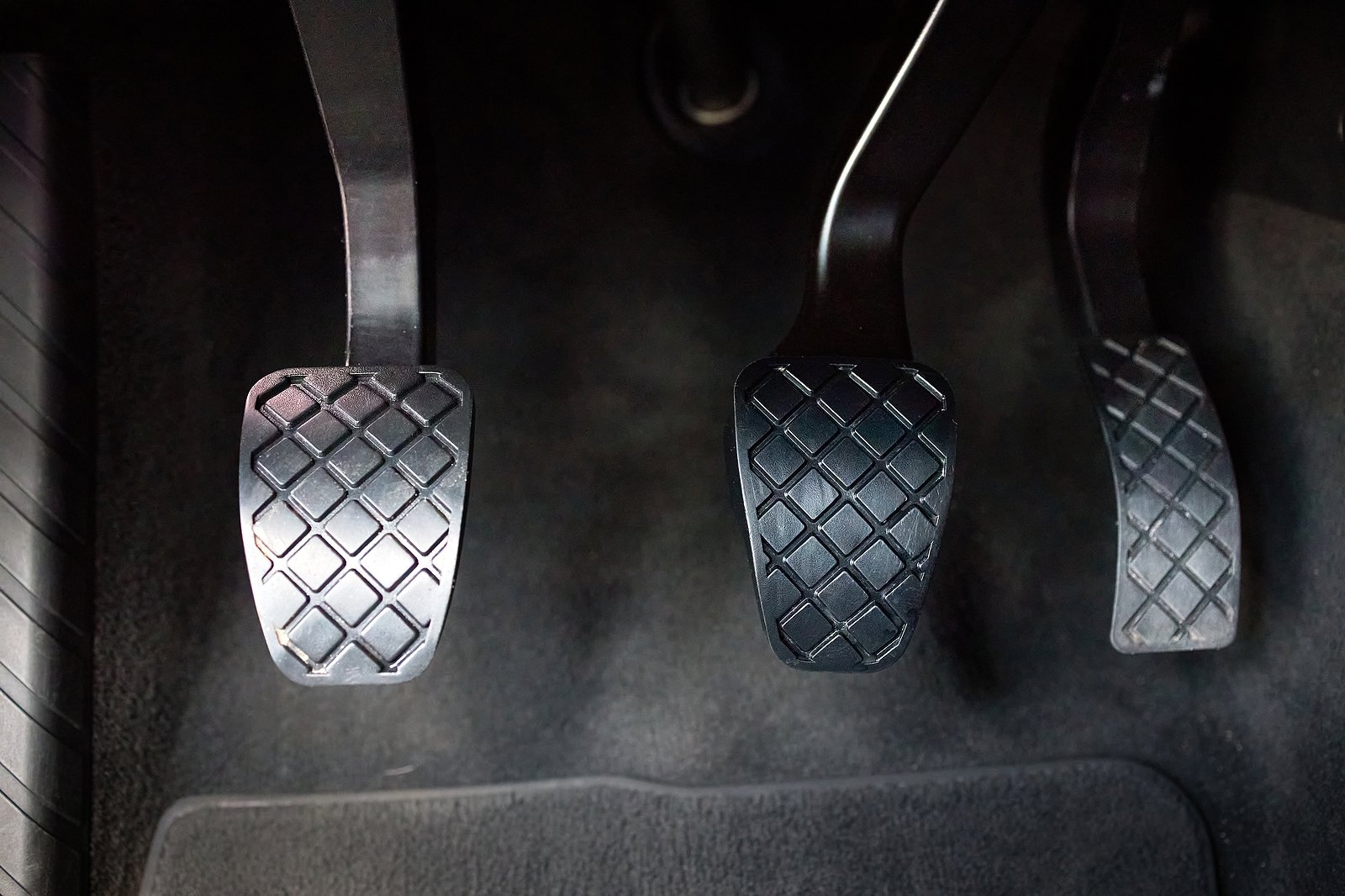
Van clutch slippage is often considered a common problem. It’s particularly common for vans used for commercial purposes or those required to continuously carry heavy loads. While clutch slippage isn’t unheard of, it can be a problem if it occurs. It often leads to reduced performance, a loss of power, poor acceleration and long-term damage if left unaddressed. In this article, we’ll be explaining what cutch slippage is and what causes it. But don’t worry, because if it’s happened to you, we will also tell you how you can go about getting it fixed. So, let’s take a closer look at everything you need to know about van clutch slippage.
What is van clutch slippage?
When your van clutch slips, it signals a mechanical fault where the clutch fails to fully engage. As a result, the engine power isn’t transferred correctly to the gearbox or the wheels.
Therefore, the engine may rev higher than normal without a matching increase in vehicle speed. When clutch slippage occurs, the grip on the flywheel is reduced, therefore causing power to be wasted as heat, rather than using that power to move the vehicle itself. When a van clutch slips, it puts additional strain on the engine and the gearbox.
Those issues will quickly worsen if the problem is left unseen, and more expensive repairs will be needed as a result. But what causes van clutch slippage, and what can you do should van clutch slipping happen to you?
What causes van clutch slippage?
There are multiple reasons why van clutch repairs might be needed as a result of van clutch slippage. While you now know what clutch slippage actually is, it’s important to know the causes of it so that it can be avoided. It’s also useful to know should repairs need to be made, as your technician would find it useful to be armed with all of the right information to diagnose and resolve the problem as soon as possible, with lasting results. So, here are eight reasons as to why van clutch slippage might occur:
1. Worn van clutch friction plate
The most common cause of van clutch slippage is a worn clutch friction plate. With normal use, the friction plate will simply wear down over time. Vans that frequently need to carry heavy loads, tow trailers or operate in start-stop traffic will likely experience accelerated wear and tear on their friction plate, therefore causing clutch slippage, eventually. If the friction material becomes too thin, then the clutch can no longer grip it effectively, causing it to slip when the vehicle is accelerating or travelling up a hill.
2. Oil or fluid contamination
Oil or hydraulic fluid can leak onto the clutch assembly, therefore causing immediate and severe van clutch slippage. This contamination could result from a leaking crankshaft seal, gearbox input shaft seal or a hydraulic system fault. Even the smallest amounts of fluid can drastically reduce friction and prevent the clutch from engaging properly. If it has been contaminated with oil or other fluid types, then replacing the clutch alone might not be enough to resolve the problem – the source of the leak will also need to be identified and replaced.
3. Riding the van clutch
Riding the clutch can cause excessive heat and premature wear on the clutch assembly. Instead of keeping partial pressure on the clutch pedal while driving, simply stop the van and put the handbrake on. By continuing the ride the clutch, the constant friction will lead to the glazing of the clutch plate, therefore significantly reducing grip and increasing the likelihood of slippage.
4. Overloading the van
Regularly exceeding the weight limit of your vehicle can put additional strain on the clutch system. The heavier the load, the harder the clutch system has to work to be able to transmit power, especially when accelerating from a stationary position or travelling up a hill. Prolonged instances of weight overload will only cause clutch slippage to happen more quickly, resulting in costly repairs that were, albeit, unnecessary had the weight limit not been exceeded continuously.
5. Worn or weak pressure plate
The pressure plate plays a vital role in holding the clutch friction plate firmly against the flywheel. If the pressure plate springs weaken or the plate becomes damaged, then it may not be able to apply the force needed to complete the process. The reduction in clapping pressure can cause the clutch to slip, particularly under heavy load or high engine speeds.
6. Dual mass flywheel (DMF) problems
Many modern vans are equipped with a dual mass flywheel designed to reduce vibration and improve driver comfort. But if the DMF is failing or worn, then it can prevent the clutch from engaging properly. Excessive movement, heat damage or wear within the flywheel can contribute to clutch slippage and often requires replacement alongside the clutch assembly.
7. Incorrect clutch adjustment or installation
Clutch slippage can occur if the clutch is incorrectly adjusted or poorly installed. If you choose VanServ, you can rest assured that this will never happen. If you find that your clutch is failing as a result of incorrect adjustment or installation, then look to VanServ for exceptional van clutch replacement services that you can always trust.
8. Aggressive driving style
Accelerating hard, revving excessively or improperly changing gear can put unnecessary stress on the van clutch. Over time, this driving style can overheat the van clutch components. This, therefore, causes them to wear faster and lose friction efficiency, eventually leading to van clutch slippage.
How to tell if your van clutch is slipping/has slipped
You might now be wondering what you should be watching for that will indicate whether or not your van clutch is slipping or if it’s already slipped. If that’s the case, then you’ve come to the right place. Here are a few warning signs of van clutch slippage that you might not have been aware of. If you spot any of the following signs, then take it to an experienced, competent van technician, such as the ones we have here at VanServ:
- Engine revs are increasing without a corresponding increase in speed
- Difficulty accelerating, especially when loaded
- A burning smell when driving
- Poor performance on hills, when towing or when fully laden
Van clutch repairs & replacements from VanServ
Here at VanServ, if your clutch slips, then we’ll always be able to either repair or replace the clutch. Carrying out meticulous, detailed inspections for accurate diagnostics, we will always be able to pinpoint the issues and make the repairs and replacements necessary to make sure your van clutch is performing as it should. With long-lasting results, an experienced team, transparent invoicing and using only quality parts, you will always be able to rely on VanServ for first-class van clutch replacements and repairs near you.
VanServ specialises in the servicing and repair of vans, motorhomes and other large vehicles. We provide a full range of services, including routine maintenance, clutch replacements, gearbox repairs, key services and more, ensuring complete care for your vehicle. For more information about our local van servicing or expert solutions, contact our friendly and experienced team today.