
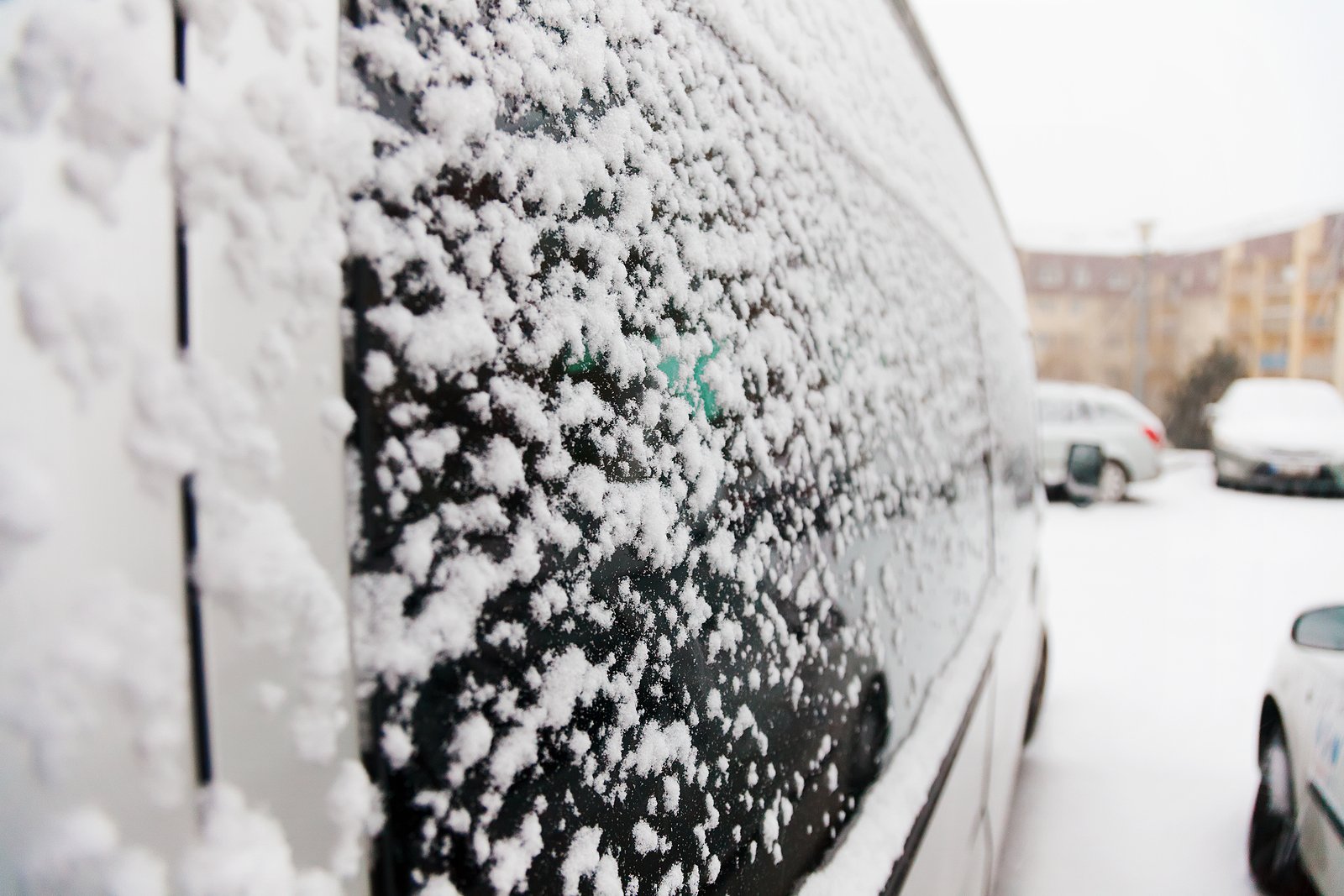
Just as the New Year is right around the corner, so is the cold, wet and icy weather. But this change can often pose hazards to van drivers on the road. With increased ice and frost build-up, along with slush generated as a result of gritters and other snow-deterrents, it can increase the demand on your vehicle.
But how can you ensure that your van is safe to drive over the winter period? The easiest answer is to follow a checklist before embarking on your journey. This is the case no matter how short or long it might be.
In this article, we’ll be giving you a few things that you should be checking off your winter checklist, which help to ensure safe and smooth journeys throughout the winter season. From inspecting your tyres to having your van serviced regularly by competent professionals, such as us here at VanServ, here’s an essential New Year winter checklist for your van:
1. Inspect the battery & other electrical components
The cold weather can greatly reduce battery power and performance. This means that, during the cold weather, you should test the battery health. While it often comes with the age of the battery, there are some basic checks that can be done. To give you peace of mind, here’s what you can do:
- Testing battery health – this can be done by a competent professional at most van and car garages
- Replace the battery – if it’s older than 5 or showing that it’s not holding power or has a low voltage, then it’s time to replace the battery altogether
- Check battery terminals – look for signs of corrosion and tighten any connections which might look loose
- Check the exterior lights – if your battery has low voltage, this can affect your headlights, brake lights, indicators, hazard lights and internal lights. If they’re dull or dim, then it’s time to replace the battery
2. Check tyre tread depth & pressure
The legal tyre tread depth throughout the UK and Europe is 1.6mm. Anything less than this will end up being an MOT failure. But it could also cause you to get up to 12 points on your license (if all four tyres are found to be less than the legal limit), which equates to an immediate driving ban. Not to mention you’re also risking your life as well as others by driving with tyres below the legal limit.
This is especially the case during winter. This is because the roads are more likely to be slippery and wet. Having tyres below the legal tread limit can massively increase stoppage distance. This means that traction on the road is more or less non-existent. Therefore, it’s more likely that you’ll drive or slide into obstacles. As a result, it could cause serious harm or even death. But it will depend on the speed you were travelling at.
If a tyre tread is approaching the legal limit, the tyre needs to be replaced as soon as possible. This prevents points on your license, a possible driving ban and ensures the safety of yourself and other road users. In addition, tyres need to be pumped up to the appropriate pressure and be undamaged.
3. Ensure all essential fluids are topped up
Vehicles, generally, whether a car or a van, will have essential fluids onboard that increase the safety and convenience of the driver and their passengers. It’s paramount that you’re checking those fluid levels, which is something that can be done during a van service, depending on the tier you’ve gone for. Some of the fluid checks that can easily be done yourself are as follows:
- Anti-freeze
- Coolant
- Washer fluid
- Engine oil viscosity
- Fuel
4. Test the brakes, suspension & exterior lights
Winter roads place increased demand on vans, which is why you need to make sure that your brakes and suspension are in working order. If not, then look to have your brakes changed and brake fluid topped up. During the winter, stopping distance can increase by as much as 44%.
So, you want to make sure that your brakes are performing at their optimum. The same goes for the van suspension. Have the shocks and struts inspected for signs of wear as a result of the icy weather, because they, too, play a crucial role in traction, which can be reduced when it’s snowed or if the roads are icy.
The other thing you should check is the exterior lights. It’s important, especially as the nights draw closer and the weather makes the air look misty and dark, that your headlights, brake lights, reverse light, fog light, main beams, hazard lights and indicators are all working properly. This helps to ensure visibility, not only for the driver but for others who are also using the road.
5. Make sure you have an emergency winter kit onboard
Having a kit onboard that can be used should you break down in cold, dark weather is an essential element of any winter checklist for a vehicle. If, for whatever reason, you become stranded or lost, then you want to be able to lean on the following supplies until help can arrive. Some of the things you should be placing in your emergency winter kit are as follows:
- Thermal blankets
- Gloves
- Hats
- Extra socks
- First aid kit
- Wellington boots
- Jump leads
- Torch
- Spare batteries
- Ice scraper
- Small shovel
- Traction aids (like snow chains for your tyres)
- Portable phone charger
- High-energy snacks
- Water
6. Examine doors, seals & locks
Doors that are frozen shut are every person’s worst nightmare when they go out to their vehicle on a cold winter morning. If this is a particular problem for you that can add valuable time to the start of your day, then you should examine the doors themselves, the seals and the locks. Lubricate door and lock mechanisms with silicone sprays, inspect the rubber seals to prevent draughts and heat loss and check that any sliding doors and rear doors are opening and closing as smoothly as possible.
7. Protect the exterior
Salt on the roads, together with snow, ice and first, can wear down the bodywork on your van. The best thing to do to prevent damage is to apply a protective wax coating, wash the van regularly to remove salt buildup and consider having mudflaps installed for further protection around wheel arches. Together, this will make your life far easier, and it gives you peace of mind knowing that your van will look in top shape throughout the winter season.
8. Try out the wipers & heating system
Visibility is absolutely imperative during the winter months, which is why you need to make sure that things like wipers and your heating system are working efficiently. If your wipers are damaged or not clearing your windscreen properly, then you need to have them replaced. In addition, you need a fully functioning heating system to demist and defrost the windscreen.
If you’re found to be driving with a misted windscreen, it could land you up to 3 points on your license, along with a fixed penalty notice that could go up to £2,500. Having working wipers and a functioning heating system ensures maximum visibility that will protect both you and other people on the road. In addition, a working heating system ensures maximum comfort for those in the cabin.
9. Review your insurance policy & breakdown cover
Make sure you know what you’re covered for on your insurance policy before venturing out into the ice and snow. Will they cover you if you get stuck in a winter hazard? Will their cover apply if you’re in rural areas or up mountains (applicable if you own a motor vehicle)? If you’re not sure, then get out your paperwork to avoid costly repairs. The same goes for your breakdown cover. Are you covered? Where will they pick you up from? Are there conditions with that policy as well? Reacquaint yourself with these important documents before embarking on any winter journey, however long or short.
10. Have your van serviced regularly
One of the best ways to ensure that your van is performing safely and at its best is to make sure that it undergoes regular van servicing. While this can be incredibly advantageous in the colder months, it’s still necessary to have a van service carried out during warmer months as well.
Van servicing from VanServ will cover a wide range of different things, from checking all essential fluids to making sure that your oil is fresh and topped up. A van service is the ultimate winter health check you need to put your mind at ease. We have a team of highly experienced, trained technicians at the helm of everything we do.
So, you can rest assured that your van servicing will be carried out with the utmost care, precision and skill every single time. If you’re interested in how van servicing can work for you and your vehicle, then contact us today to see which levels we offer and what you can get for your money.
VanServ is a dedicated firm that specialises in the maintenance and mechanics of vans and motorhomes, among other large vehicle types. Whether you need van servicing, brake replacement, gearbox repairs, key replacements and more, you’ll have your every van need covered when you choose VanServ to help. If you’d like further information about our van servicing near you, or any of our other specialist services, then get in touch with a member of our friendly, professional team today – we’re always pleased to hear from you.